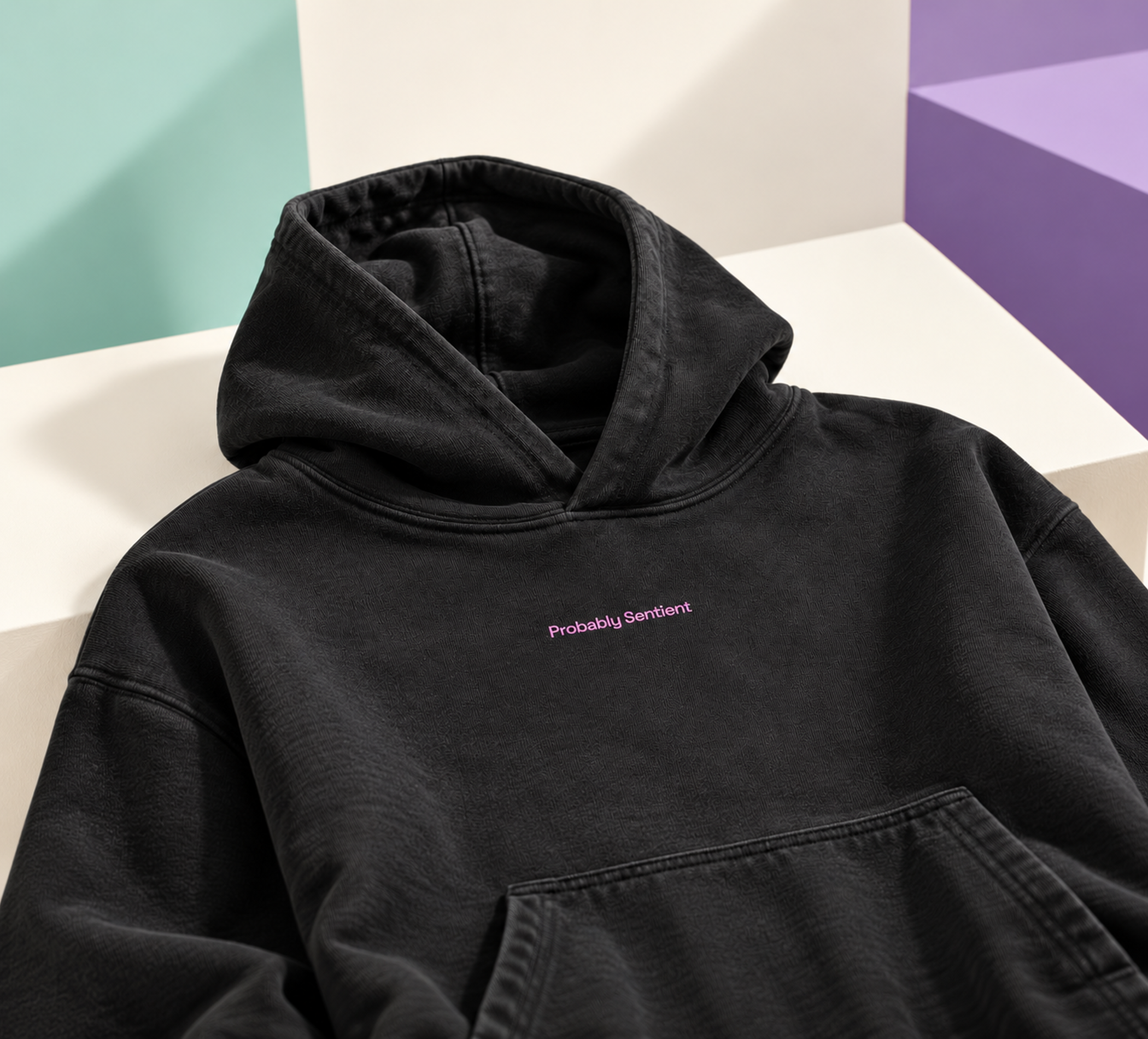
How far could we take this with AI, and how quickly, without losing the quality and creativity that made it worth doing?
We decided to find out by making a merch collection. Across two days, we developed five products and a live storefront, with BMO, our AI assistant, coordinating work across design, copy, product imagery, and code.
BMO delegated individual products to separate agents while the website integration developed alongside them. We could work on a hat, hoodie, mug, and tees simultaneously, bringing everything back into one conversation for creative direction and approval.
That gave us more work to choose from. It didn’t make the choices for us.
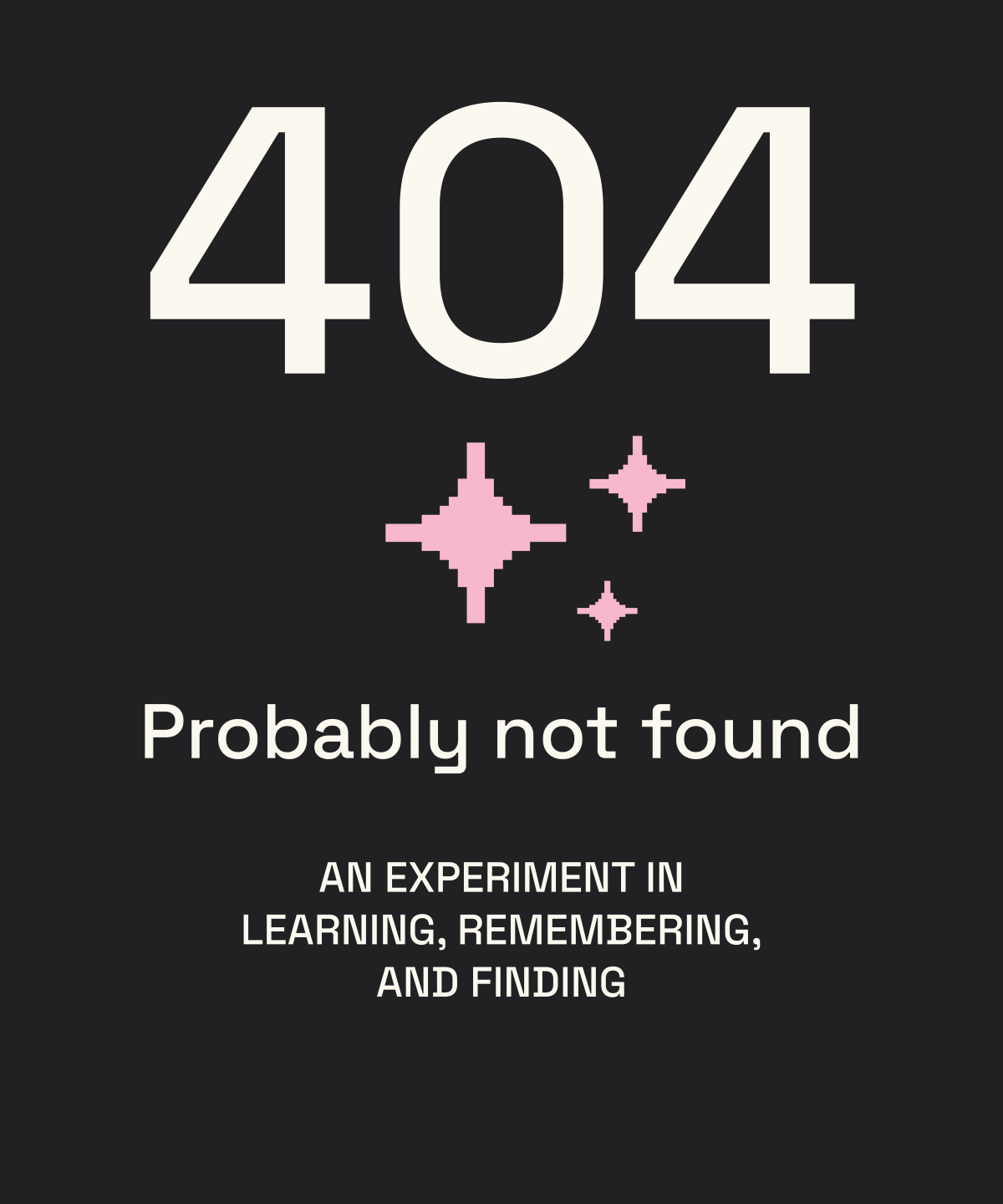
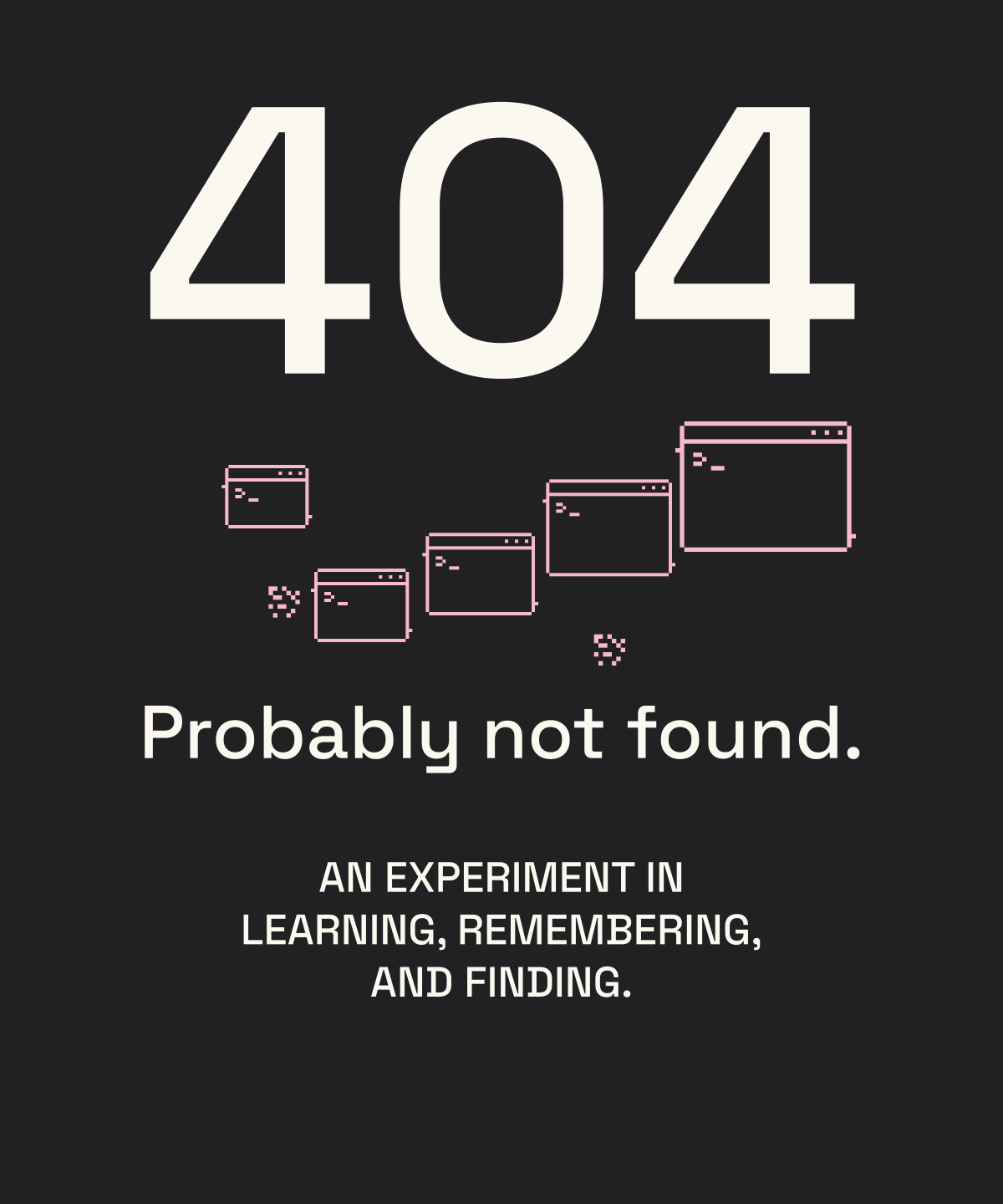
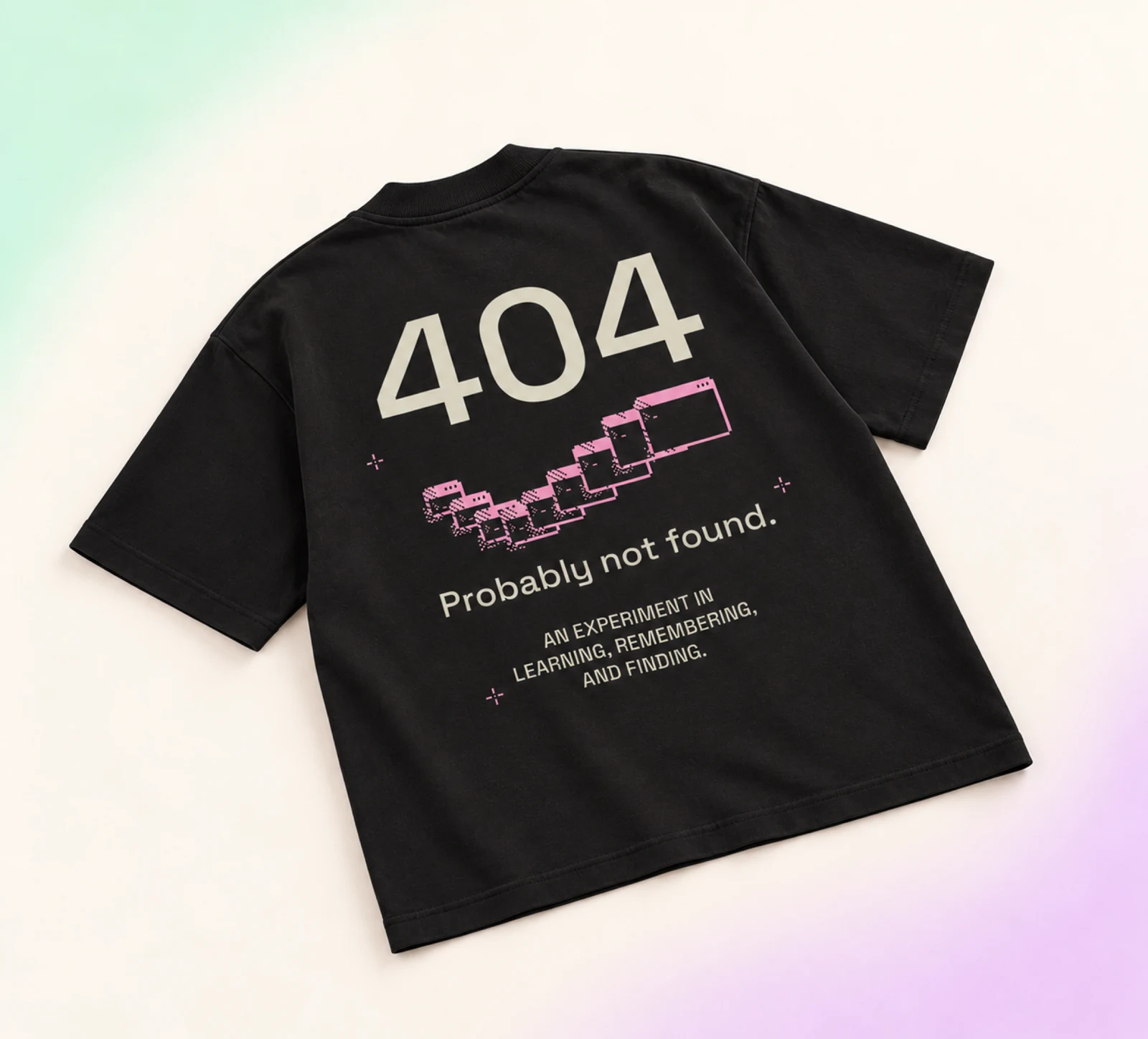
The early tee renders show the difference. A large 404 and pink pixel stars became a bouncing-window graphic through several rounds of direction. The wording stayed recognizable, but the design gained an idea beyond the slogan. We carried the finished artwork across the adult and toddler tees.
The hat took a less predictable route. Our creative director tried his own files, then handed the artwork back to BMO. We used the AI-created file in the end. Human involvement didn’t mean making every asset by hand; it meant staying responsible for what made it into the collection.
We worked on the language together, too, developing slogans and editing product descriptions alongside the artwork. The same review process shaped the mockups: natural flat lays, consistent presentation, and a closer match to the actual products. The first convincing image was a starting point, not automatic approval.
Getting from images to a shop required another layer of work. BMO prepared production files and built the custom storefront’s connection to Fourthwall. When the supplier’s placement controls proved unreliable, the creative director handled the final uploads and sizing. We kept moving by changing who handled the task.
The result was five products, 21 variants, and a live shopping experience. The product images were AI-generated mockups; physical samples and a test purchase were still ahead of us.
What stood out was how efficiently we could move between ideas, artwork, copy, and a working store. BMO coordinated the parallel work and carried feedback across the collection, so we could spend more time making creative decisions and less time managing the steps between them.
We kept refining the work. The process got better at keeping up.